
Speakers
CREST 2027 – Cancer Research EcosystemS in Translation
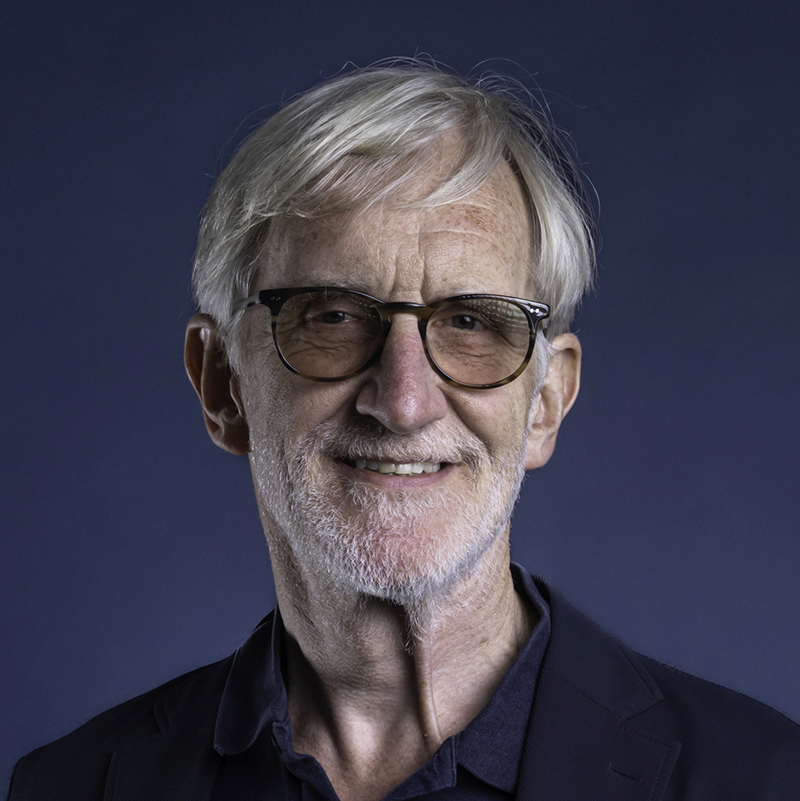
Cristof von Kalle (MD, PhD), is a physician-scientist working at the interface of clinical medicine, translational research, and data-driven health innovation. His professional focus has consistently been to bridge biomedical discovery and patient benefit, with particular emphasis on precision medicine, gene and cell therapy, and system-level innovation in healthcare.
Across his career, he has combined clinical practice, fundamental research, and institutional leadership to develop ethically grounded, patient-centred translational research structures at scale. He is a trained medical doctor with over 30 years of experience in haematology, oncology, and translational medicine, spanning academic medicine, large-scale research infrastructure development, and science policy. He has held senior leadership positions in Germany and internationally, including Director of the National Center for Tumour Diseases (NCT) Heidelberg, Head of the Department of Translational Oncology at the German Cancer Research Center (DKFZ), and Professor at the Berlin Institute of Health and Charité – Universitätsmedizin Berlin, with earlier academic appointments in the United States shaping his interdisciplinary and international perspective.
Since December 2024, he has served as Director of the Luxembourg Research Clinic (LRC), where he lead the development of a coordinated national translational ecosystem integrating hospitals, research institutions, clinicians, and data infrastructures. Drawing on extensive experience in research governance, policy advisory roles, and cross-sector collaboration, he aims to strengthen international partnerships and support sustainable models of clinical research that translate innovation into tangible benefits for patients and society.
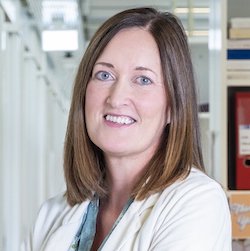
Johanna Joyce (PhD) is a Full Professor of Oncology at the University of Lausanne (UNIL), Switzerland, and Full Member of the international Ludwig Institute for Cancer Research. She is President of the European Association for Cancer Research (EACR) for the 2026–2028 term, Co-Director of the Department of Fundamental Oncology at UNIL, and previously served as the inaugural Executive Director of the multi-institutional Agora Cancer Centre for translational research in Lausanne.
Joyce’s research expertise is in cancer biology, immunology, and the tumour microenvironment. She has been recognized through multiple awards and honours including the EACR-Pezcoller Award for Women in Cancer Research, “50 Scientists Who Inspire” by Cell Press, the Fidler Innovation Award from the Metastasis Research Society, Robert Bing Prize in Neuroscience, Cloëtta Prize, American Cancer Society Scholar Award, Rita Allen Foundation Award, V Foundation Award, and Sidney Kimmel Foundation Award, among many others.
Elected by her peers, Johanna serves as a Member of the European Molecular Biology Organisation, a Fellow of the American Association for Cancer Research Academy, and a Fellow of the European Academy for Cancer Sciences. Johanna previously served as Chair of the AACR Tumor Microenvironment Working Group and was an elected Member of the AACR Women in Cancer Research Council. She is also a committed mentor and advisor, and a widely recognized advocate for equity, inclusion, and the advancement of women in cancer research.
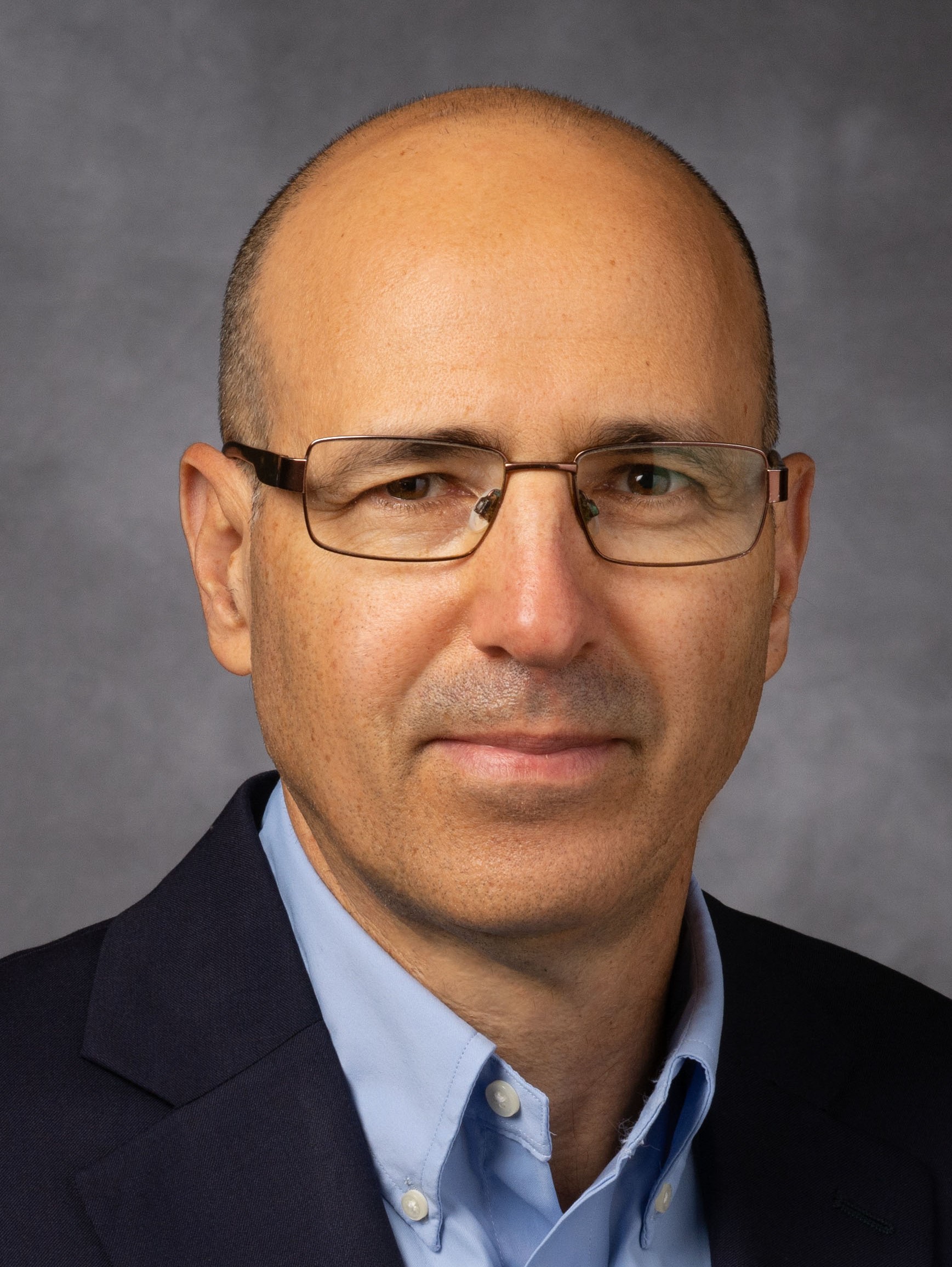
Eyal Gottlieb (PhD) is a researcher in cancer biology and metabolism, renowned for his contributions to understanding the metabolic adaptations of cancer cells. He currently holds the R.E. Bob Smith Distinguished Chair in Cancer Biology and serves as Vice President for Research at The University of Texas MD Anderson Cancer Center.
Eyal earned his PhD from the Weizmann Institute of Science and trained as a postdoctoral fellow at the University of Chicago and the University of Pennsylvania. He launched his independent career at Cancer Research UK’s Scotland Institute, where he established the Cancer Metabolism Research Unit and was appointed Professor of Molecular Cell Biology at the University of Glasgow. He later joined the Technion – Israel Institute of Technology as the Laura and Isaac Perlmutter Chair of Cancer Research, serving as Director of the Rappaport Family Institute for Research in the Medical Sciences and Vice Dean for Research.
Eyal’s research focuses on metabolism in health and disease. His discoveries include defining oncometabolite-driven signaling pathways and uncovering metabolic vulnerabilities created by genetic and environmental perturbations.
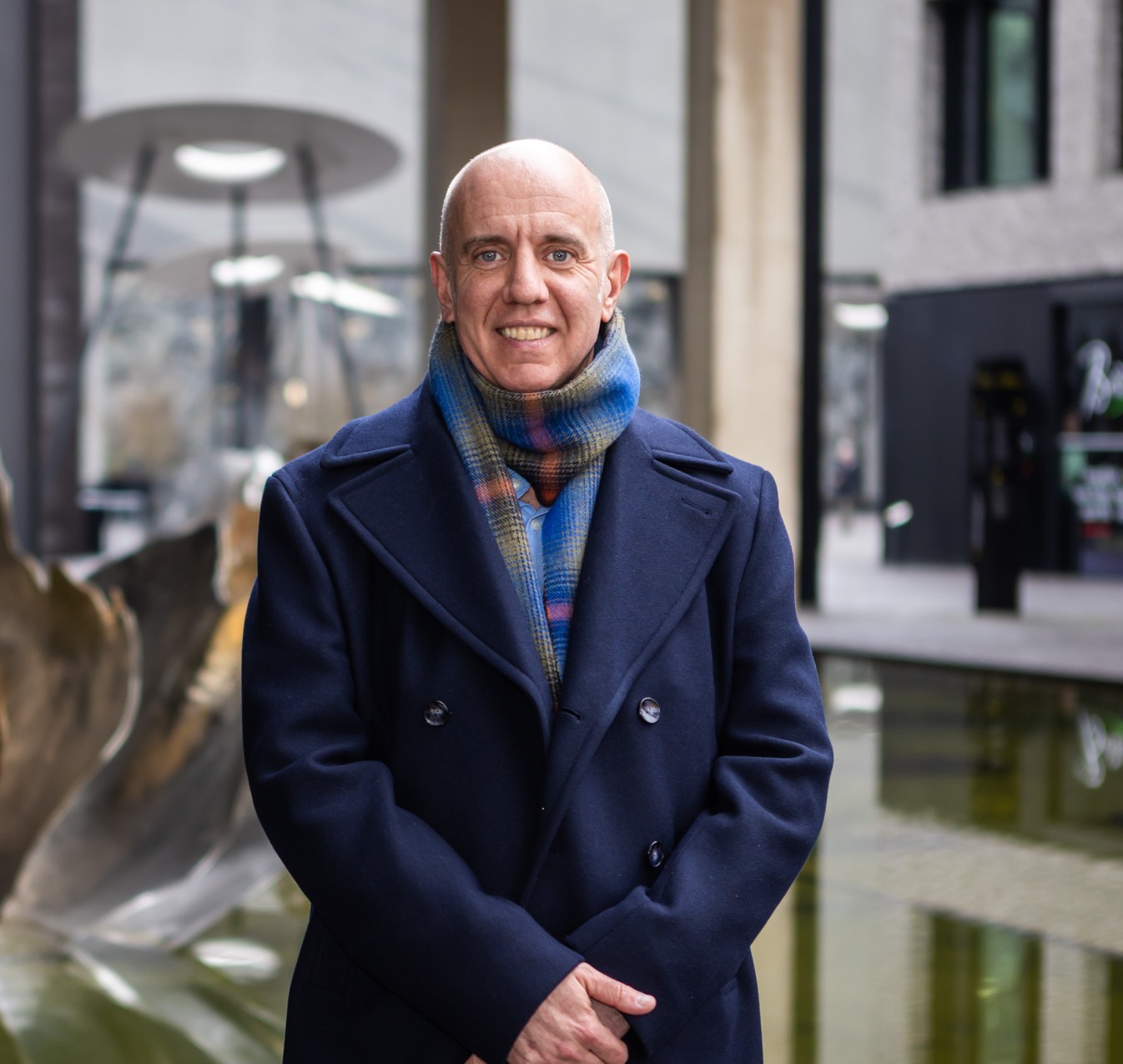
Paul Wilmes (PhD) is Professor of Systems Ecology and holds appointments at the Luxembourg Centre for Systems Biomedicine and in the Department of Life Sciences and Medicine within the Faculty of Science, Technology and Medicine of the University of Luxembourg. He heads the Systems Ecology Research Group.
As a British Chevening Scholar, Paul earned his PhD from the University of East Anglia in 2006. He subsequently carried out postdoctoral research at the University of California, Berkeley, from where he returned in 2010 to his native Luxembourg through the FNR ATTRACT fellowship scheme. He later received an ERC Consolidator Grant. He is an elected full member of the Institut Grand-Ducal, and the Académie Lorraine des Sciences. In 2018, Paul was awarded the Grand Prix in Biological Sciences of the Institut Grand-Ducal.
Paul’s main research focus is on using Systems Biology approaches to study microbial communities and microbiome host interactions. His group developed HuMiX, a microfluidics-based model of the human gastrointestinal interface. Paul has authored more than 100 peer reviewed publications and is a Highly Cited Researcher.
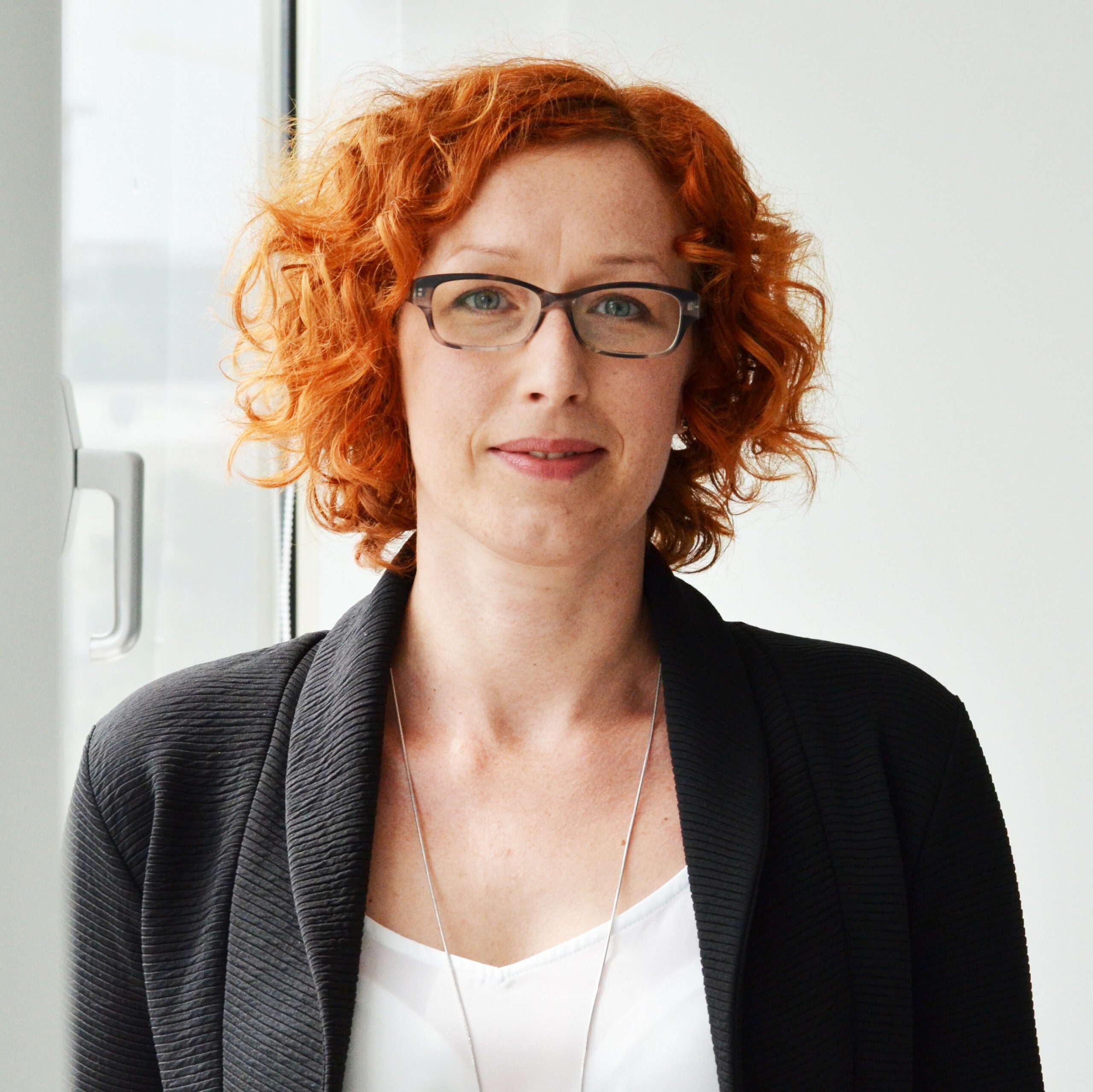
Anna Golebiewska (PhD) is Group leader of the NORLUX Neuro-Oncology laboratory at the Department of Cancer Research, Luxembourg Institute of Health. She has a background in molecular and cellular biology and obtained her PhD in stem cell research. Her work focuses on understanding brain tumor biology and development of clinically relevant laboratory models.
She is particularly interested in the various aspects of tumor heterogeneity. Her current projects aim to tackle intrinsic plasticity allowing brain tumor cells to adapt and survive external pressures from microenvironmental cues and treatment. Her lab developed a large collection of glioma patient-derived organoids and orthotopic xenografts for preclinical research and drug testing for precision medicine.
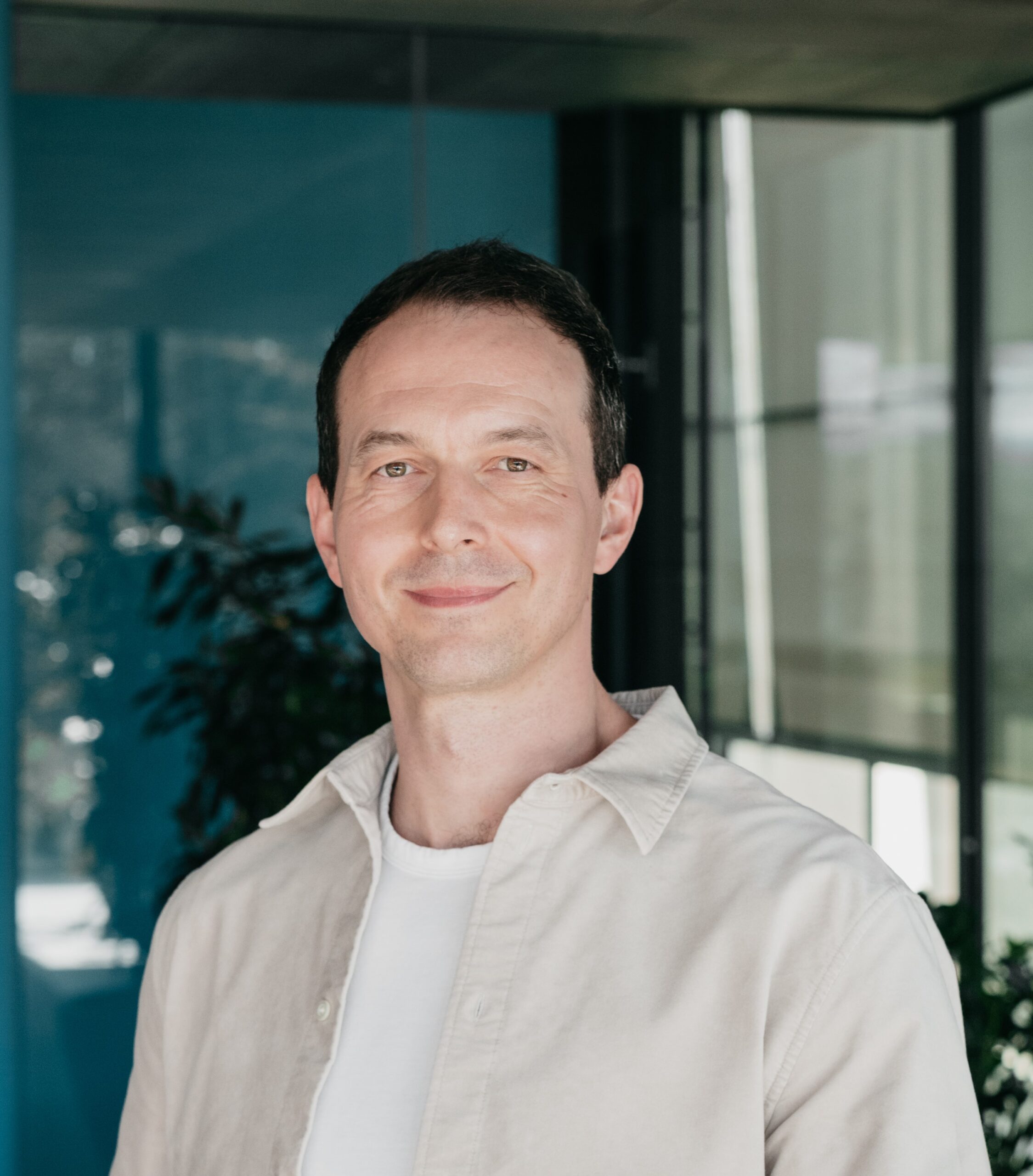
Nikolche Gjorevski (PhD) is a group leader at the Institute of Human Biology (IHB) at Roche in Basel. His team focuses on increasing the (patho)physiological relevance and translational impact of organoids. They are particularly interested in building organoids with in vivo-like architecture and compartmentalization, and applying them to model disease, understand disease mechanism and develop therapies.
Nikolche completed his doctoral degree in the laboratory of Celeste Nelson at Princeton University. He conducted postdoctoral research in the laboratory of Matthias Lutolf at EPFL, using synthetic biomaterials and microfabrication to study and control epithelial organoid formation. In 2018, Nikolche joined Roche, where, as a scientist and Lab Head, he focused on establishing patient-derived organoids and complex in vitro models as platforms for preclinical safety assessment. He started a group leader position at IHB in 2021.
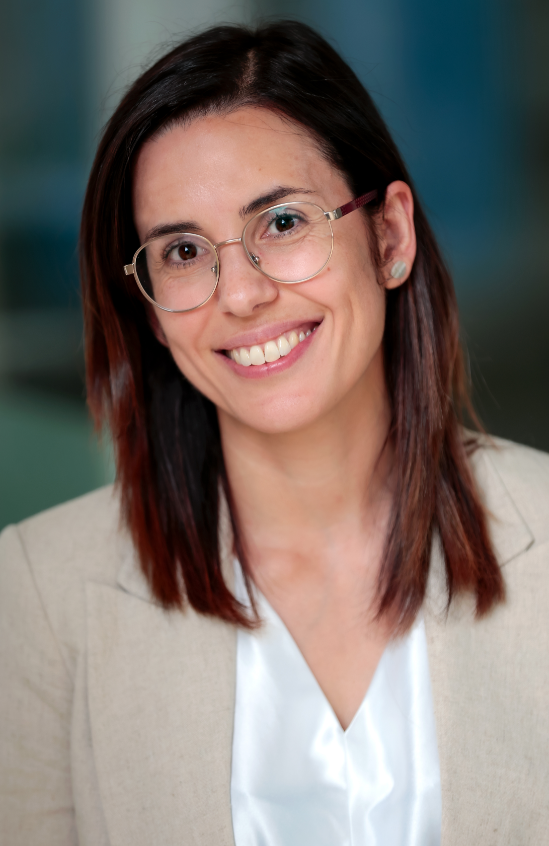
Ilaria Elia’s (PhD) research focuses on understanding how metabolic pathways both influence and are shaped by interactions between immune cells and tumour cells within the tumour microenvironment, with the goal of identifying new therapeutic vulnerabilities in aggressive and immune-resistant cancers. During her PhD at VIB–KU Leuven, she studied the role of cancer metabolism in metastatic progression. She subsequently completed postdoctoral training at Harvard Medical School, where she investigated the metabolic regulation of T cell function, positioning her work at the interface of cancer metabolism and immunotherapy.
Her research has led to several key publications on cellular metabolism and anti-tumour immunity (Nature, Nature Communications, Cell Metabolism, Cancer Discovery). Ilaria has received multiple competitive funding awards, including EMBO, Cancer Research Institute, FEBS, and the Beug Foundation. Since August 2021, she has led her own research group at KU Leuven, where her laboratory investigates metabolic reprogramming in immuneresistant primary tumours and metastases, supported by approximately €2 million in research funding.
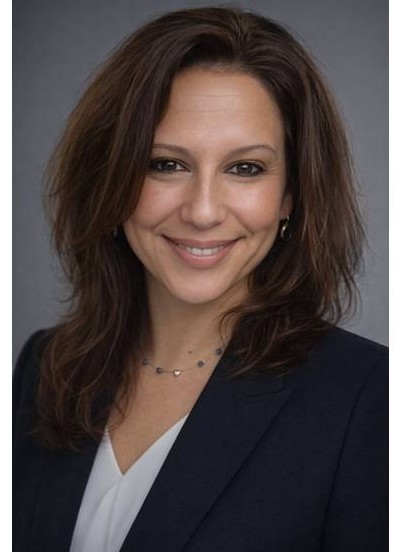
Francesca Rapino (PhD), obtained her PhD with honours in Molecular Pharmacy from Goethe University Frankfurt in 2013. During her postdoctoral work, she made seminal contributions to the field of tRNA epitranscriptomics, including the discovery reported in Rapino et al., Nature (2018).
Her work has been recognised with several awards, including the King Baudouin Foundation Prize for Biochemical Research on Cancer, the Prix Josée et Jean Schmets, the Prix Frédéric Van den Brûle, and the Prix Fondation Bonjean. In 2020, she was appointed FNRS-FRS Chercheur qualifié and established her independent research group at the University of Liège. She is the recipient of an ERC Starting Grant (2020) and a Foundation against Cancer research grant (2021).
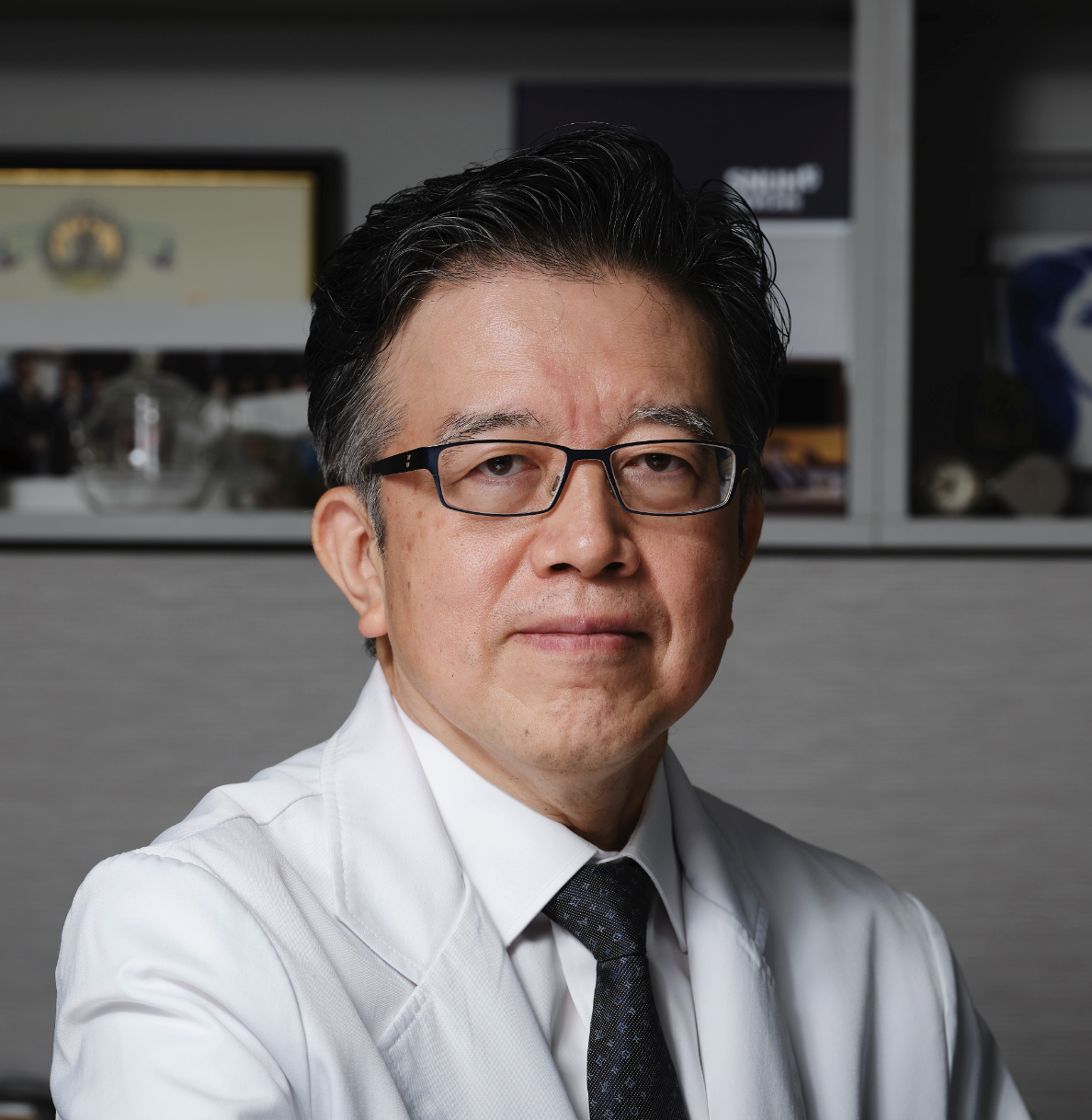
Han-Kwang Yang (MD, PhD) is involved in several large scale RCT’s for gastric cancer treatment. He was Korean PI of REGATTA study (Phase III study for the role of gastrectomy in stage IV gastric cancer with a single incurable factor; a collaboratory study between JCOG and KGCA). He is investigators of CLASSIC trial, KLASS trials as well as the Korean PI of a phase II study for the role of neoadjuvant imatinib treatment in large gastric GIST (a collaborator study between Japan and Korea). He is the founding chairman of KLASS (Korean Laparoscopic Gastrointestinal Surgery Study Group) and contributed in MIS in gastric cancer especially Function preserving gastrectomy (pylorus preserving gastrectomy). His translational research interests are gastric carcinogenesis, DDS, familial gastric cancer, biomarkers and developing PDX model for gastric cancer.
He is Secretary General of International Gastric Cancer Association, Honorary fellow of American Surgical Association, Honorary member of European Surgical Association, Honorary International Fellow of Japanese Society of Endoscopic Surgery and a member of Korea Korean Academy of Science and Technology (KAST). He served as editor or editorial member of ‘Gastric Cancer’ (the official journal of IGCA), Asian Journal of Endoscopic Surgery, Annals of Surgery etc. Dr. Yang gave over 410 invited lectures to international meetings and oversea institutes with occasional live demonstration of gastrectomy (open, laparoscopic or robotic).
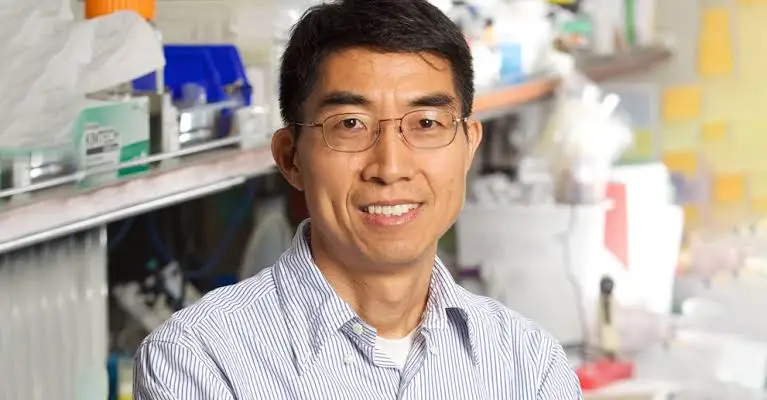
Kunliang Guan (PhD), a biochemist and cell biologist, is a Chair Professor and Ph.D. Mentor at the School of Life Sciences, Westlake University.
Born in Tongxiang, Zhejiang Province, he began his academic journey at Hangzhou University (now Zhejiang University), where he received his B.S. degree in 1982. He subsequently earned his Ph.D. from Purdue University in 1989 and completed his postdoctoral training there in 1991.
Prior to joining Westlake University in 2023, He was on the faculty at the University of Michigan from 1992 to 2007 and subsequently at the University of California San Diego (UCSD) from 2007 to 2023.
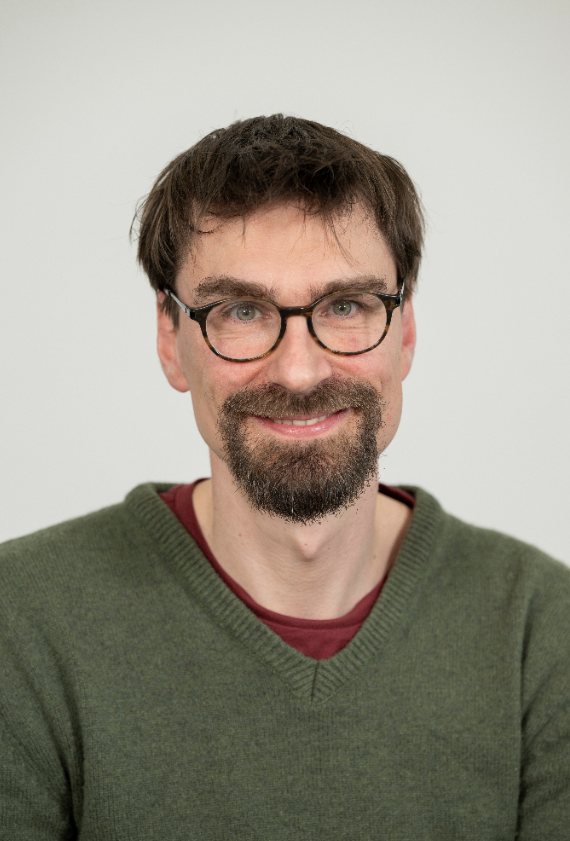
Johan Vande Voorde (PhD) obtained his PhD from KU Leuven (Balzarini Lab) for his work on the metabolic implications of tumour-associated bacteria on chemotherapy efficacy. In 2015, he joined Eyal Gottlieb’s lab (CRUK Scotland Institute) where he focused on metabolic vulnerabilities of colorectal cancer, and contributed to the development of Plasmax, the first commercially available physiological cell culture medium.
He joined Owen Sansom’s lab in 2018 as part of CRUK Grand Challenge Team Rosetta applying multimodal metabolomics for CRC tissue stratification and target discovery. Since 2024, he is a Senior Research Fellow at the University of Glasgow and Associate Group Leader at the CRUK Scotland Institute. His laboratory studies metabolic cross talk in cancer, with a particular focus on the gut microbiome and on systemic metabolic alterations in colorectal cancer.